

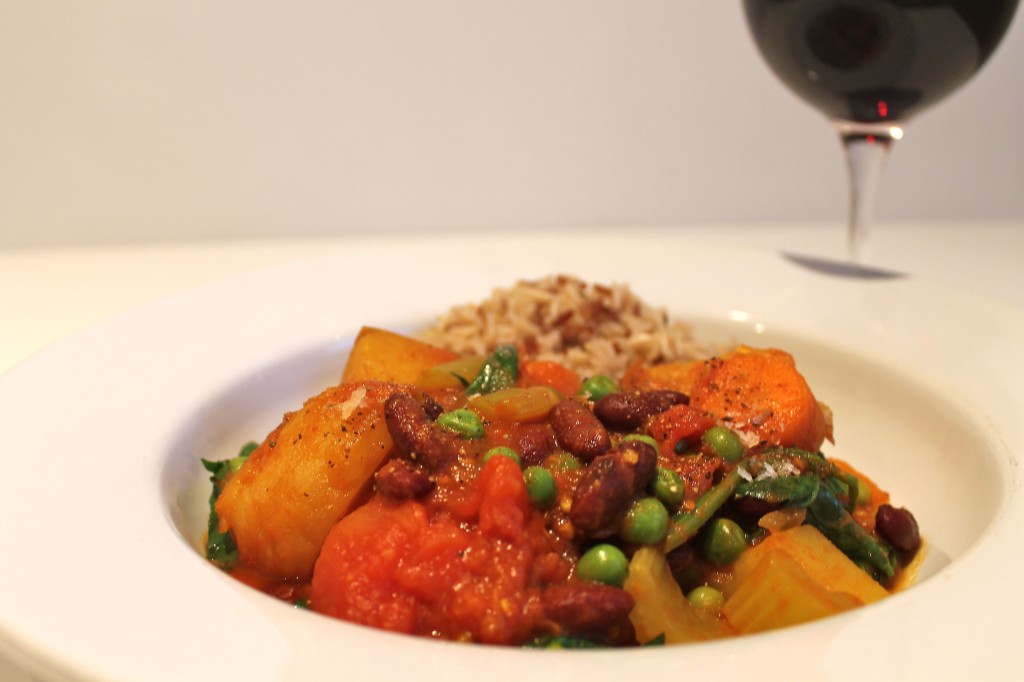
Why You’ll Love This Easy Vegetable Curry
This vibrant, plant-based curry is the ultimate comfort food for busy weeknights. It is incredibly budget-friendly, making it a fantastic option for families looking to eat healthy without breaking the bank. Because it relies heavily on staple root vegetables and affordable canned goods like kidney beans, you can easily whip this up using basic ingredients already sitting in your pantry.
Furthermore, this dish is naturally gluten-free, low-fat, and absolutely packed with clean, plant-based protein and fiber. It reheats beautifully, making it a stellar choice for your weekly Sunday meal prep.

Vegetable Curry with Kidney Beans
- Diet: Vegan
Description
A hearty, budget-friendly vegetable curry packed with chunky root vegetables, rich tomatoes, and protein-dense kidney beans. This simple, one-pot weeknight dinner is naturally vegan, gluten-free, and full of warming spices. Perfect for healthy meal prep!
Ingredients
1 tbsp vegetable oil
1-inch (2.5cm) piece of fresh ginger, finely chopped
1 celery stick, sliced
2 large carrots, roughly chopped
1 medium onion, sliced
3 cloves garlic, minced
1 large potato, scrubbed and roughly chopped
1/2 tsp cumin seeds (or ground cumin)
1 tsp ground coriander
1 to 2 tsp dried chili flakes (adjust to taste)
1 tsp ground turmeric
Salt and black pepper, to taste
250ml (1 cup) vegetable stock (or water)
1 can (400g / 14 oz) chopped tomatoes
2 tbsp tomato purée
1 can (400g / 14 oz) kidney beans, drained and rinsed
100g (3.5 oz) fresh spinach, stalks separated and finely chopped, leaves sliced
2 handfuls frozen peas
Cooked brown rice, to serve
Instructions
Sauté the aromatics: Heat the vegetable oil in a large, lidded pan over medium heat. Add the chopped ginger, celery, carrots, and onion. Stir well to coat and cook for about 10 minutes until the onions begin to soften.
Toast the spices: Add the garlic, cumin, coriander, chili flakes, turmeric, and a generous pinch of black pepper. Stir constantly for 1 minute until fragrant. Add another tiny splash of oil if the pan looks too dry.
Simmer the vegetables: Stir in the chopped potatoes. Pour in the vegetable stock (or water), ensuring the liquid just covers the root vegetables. Season lightly with salt. Bring to a simmer, pop the lid on, and cook for 20 minutes until the carrots and potatoes are fork-tender.
Build the sauce: Stir in the canned tomatoes, tomato purée, drained kidney beans, and the finely chopped spinach stalks. Simmer uncovered for 5 minutes to let the sauce thicken.
Finish and serve: Stir in the frozen peas and the sliced spinach leaves. Cook for a final 2 minutes until the spinach is wilted and the peas are bright green. Taste and adjust the seasoning with extra salt and pepper if needed. Serve hot over a bed of brown rice.
- Cuisine: Indian
Nutrition
- Calories: 374
- Fat: 8.1g (low-fat, primarily from the 1 tbsp of vegetable oil)
- Carbohydrates: 59.8g
- Fiber: 15.8g excellent for digestion, providing over 50% of your daily target)
- Protein: 15.4g (high-protein for a vegetable dish, thanks to the kidney beans and peas)
Handy equipment for vegetable curry with kidney beans
I love my Le Creuset enamelled cast iron casserole. But there are more budget friendly ones available too, such as this Valeze one
Vegetable Curry Ingredient Substitutions
One of the best things about a home-cooked vegetable curry is how forgiving and adaptable the recipe is. You can easily customize this dish based on what you have left in your vegetable crisper drawer:
The Protein: If you don’t have kidney beans on hand, chick peas, black beans, or brown lentils make excellent protein-packed alternatives.
The Veggies: Swap the regular potato for a sweet potato or diced butternut squash for a hint of natural sweetness. Diced bell peppers, cauliflower florets, or courgettes also make wonderful additions.
The Greens: If you run out of fresh spinach, frozen spinach works perfectly, or you can swap it for chopped kale or Swiss chard.
How to Store This Vegetable Curry
This curry actually tastes even better the next day as the warm spices continue to develop and meld together in the sauce.
To Store: Allow the curry to cool completely to room temperature. Transfer it into an airtight container and store it in the fridge for up to 4 to 5 days.
To Freeze: This recipe is incredibly freezer-friendly. Pack it into freezer-safe bags or containers and freeze for up to 3 months. Thaw it overnight in the fridge before reheating.
To Reheat: Gently warm it through in a small saucepan over medium heat, adding a splash of extra vegetable stock or water if the sauce has thickened up too much.
As an Amazon Associate, I earn from qualifying purchases.


Leave a Reply